2026 Mazda CX-30 vs. 2026 Hyundai KONA: A Clear Look at Two Very Different Compact SUVs

January 05 2026,

2026 Mazda CX-30 vs. 2026 Hyundai KONA: A Clear Look at Two Very Different Compact SUVs

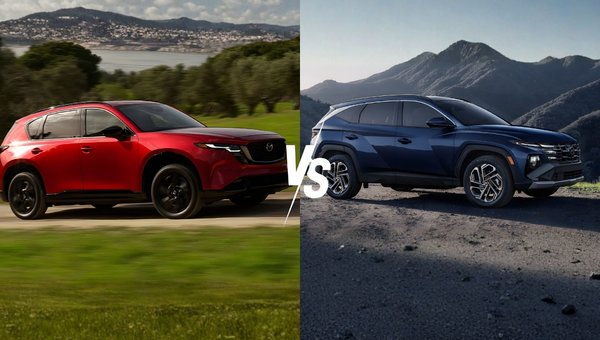
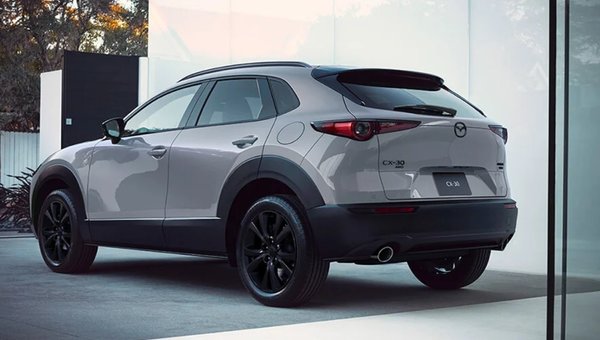
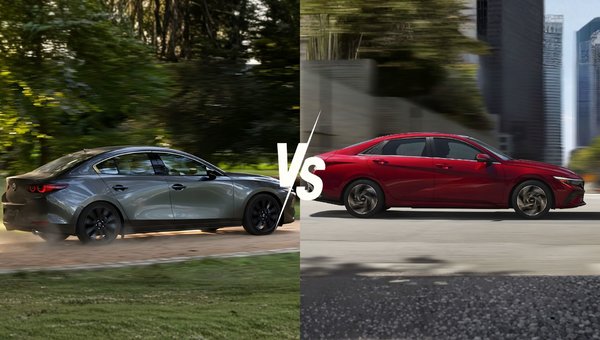
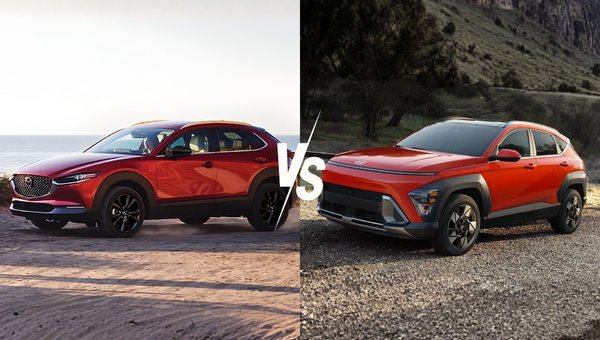
The Hyundai Kona and Mazda CX-30 might look like they're doing the same job, but they couldn't be more different once you get behind the wheel. One feels like a fun, tech-packed sneaker, while the other feels like a tailored suit with the performance to back it up. If you're torn between Hyundai’s bold features and Mazda’s premium soul, here is what you need to know before you sign the papers.

Power Delivery That Shapes the Drive

The Mazda CX-30 comes powered by a gasoline engine producing 186 horsepower and 186 lb-ft of torque, delivering smooth, confident acceleration that feels composed on highways and responsive in city driving. The Hyundai KONA electric counters with an electric motor producing 201 horsepower and 188 lb-ft of torque, offering instant response from a standstill. The difference is clear in feel, with the Mazda CX-30 prioritizing balance and control, while the Hyundai KONA focuses on immediate torque and silent acceleration.


Build & Price your own 2026 Mazda CX-30


Efficiency That Reflects Purpose

Efficiency is where these two take very different paths. The Mazda CX-30 delivers a combined fuel rating of 8.7 L/100 kilometres, offering consistency without changing refuelling habits. The Hyundai KONA electric posts a combined efficiency rating of 2.0 L/100 kilometres, eliminating fuel use and producing zero tailpipe emissions. Each approach serves a distinct driving routine, one built around familiarity and the other around full electrification.

Safety Coverage and Driver Support

Safety remains a strong point in the Mazda CX-30 vs Hyundai KONA discussion. The Mazda CX-30 earns a five-star overall crash rating and includes ten airbags, adding knee protection for both front occupants. The Hyundai KONA electric includes six airbags and prioritizes efficiency-focused design. Both vehicles offer driver assistance features such as adaptive cruise control, lane support systems, and rear-view camera technology, helping reduce stress during everyday driving.

Cabin Technology and Everyday Use

Inside the Mazda CX-30, technology stays clean and driver-focused with a 7.0-inch infotainment display, wireless smartphone integration, navigation, wireless charging, and available memory seating. The Hyundai KONA electric leans more heavily into screens, offering a 12.3-inch touchscreen, digital controls, and remote app-based climate features. Mazda’s approach feels intuitive and minimal, while Hyundai emphasizes digital engagement and app connectivity.

Cargo Space and Practicality

Cargo capacity is another clear divider. The Mazda CX-30 offers 572 litres behind the rear seats, expanding to 1,280 litres with the seats folded, ideal for everyday flexibility. The Hyundai KONA electric offers 723 litres behind the rear seats and up to 1,803 litres with seats down, giving it a clear edge for hauling gear or larger items. This makes the KONA more utility-driven, while the CX-30 balances space with compact handling.

Key Differences

Highlight Area

Mazda CX-30

Hyundai KONA

Power Output

186 horsepower

201 horsepower

Energy Use

Gasoline

Electric

Combined Efficiency

8.7 L/100 km

2.0 L/100 km

Airbags

10 total

6 total

Cargo Capacity Max

1,280 litres

1,803 litres

Treat Yourself to a Better Drive At 401 Dixie Mazda

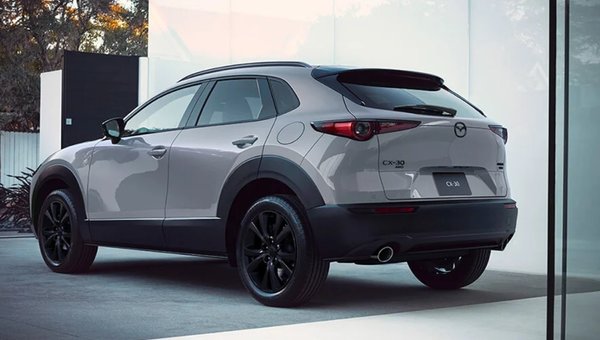
You spend a lot of time on the road, so you might as well enjoy it in a cabin that feels like a luxury getaway. Stop by 401 Dixie Mazda today to explore the 2026 Mazda CX-30 in person and let us help you find the model that fits your life and your budget perfectly.

Apply for Financing!